Why guests order through platforms, and how to win them back
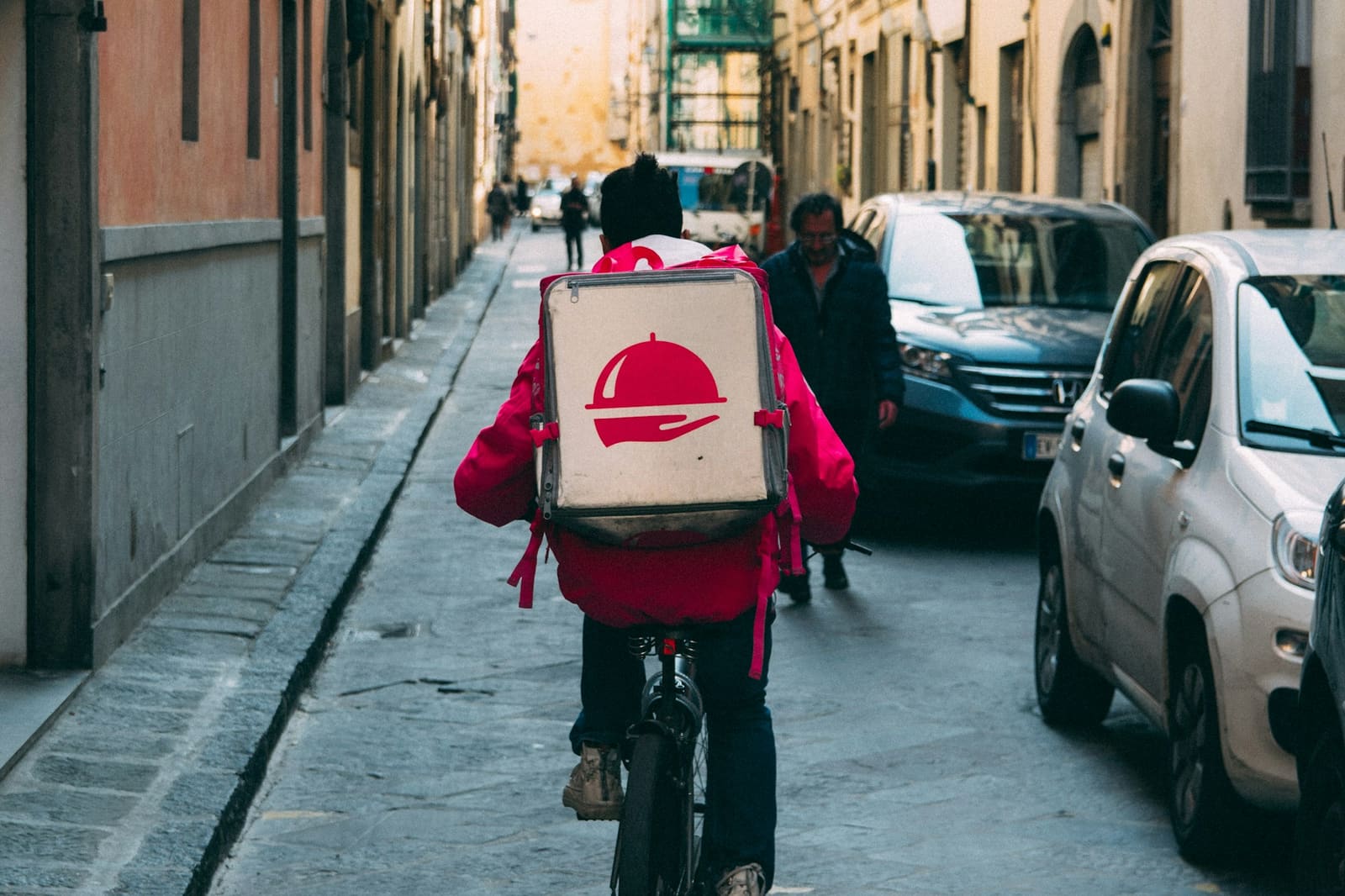
You assume guests order through the platform because it is cheaper there. It almost never is. They order there because it takes less effort.
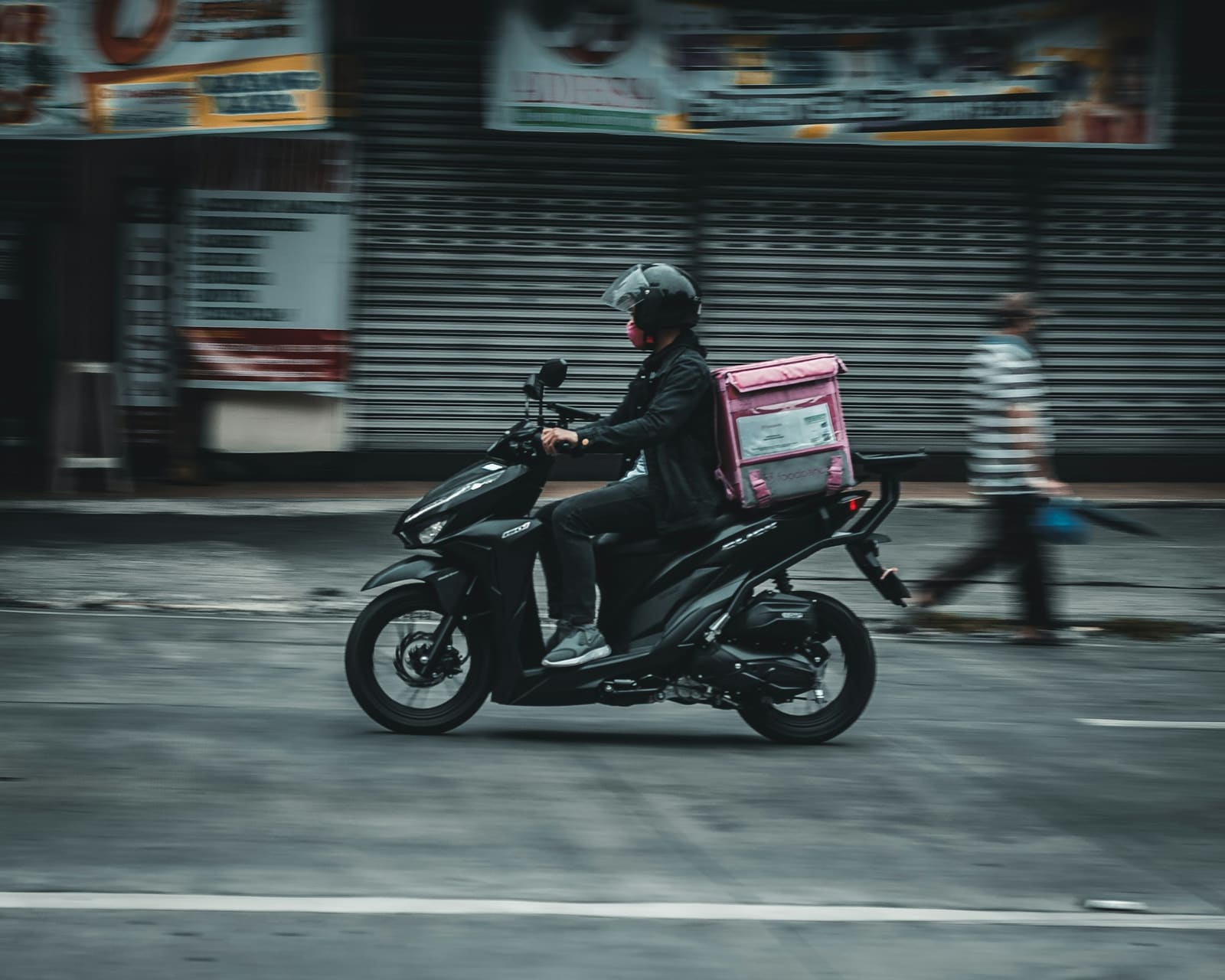
Guests do not choose a platform, they choose the shortest route
Ask ten owners why their regulars use the app and nine say the same: it is cheaper there. Do the sums and it almost never is. Add delivery and service fees to a menu price that is often higher on the platform, and the guest pays more than with you.
What the platform does give the guest is certainty. The address is already stored. Paying takes two taps. There is a time on the screen, and that time moves while the courier is riding. And when something goes wrong, there is a button to press.
That is what you are up against. Not the price, but the effort. Every step you ask that the platform does not is a reason to tap back to the app. Effort is also the only competitor you can remove without giving away margin.
Start by looking. Order from your own restaurant once this week, on your phone, as though you had never eaten there. Count the taps and the fields between opening the page and placing the order. That number is what this article is really about.
Reason 1: the app is a habit, not a voyage of discovery
Platforms sell themselves as a shop window. Guests who do not know you yet find you there. That really does happen. It is just not where most of the money moves.
| US survey of guests | Share |
|---|---|
| Mainly reorder through the app from places they already know | 42% |
| Mainly use the app to discover new places | 11% |
Those two figures come from an American survey of guests, run by a company that sells ordering software. There is no comparable Dutch research, and the proportions here are almost certainly different. The direction will still look familiar from your own order list: the same postcodes week after week, the same names, the same standing order on a Thursday.
If that is true, you are paying commission on an introduction that happened long ago. The guest chose you the first time for your reasons: a recommendation, a daily cycle past your door, the photos of your oven. After that the platform supplies not a new customer but a button.
You do not break a habit with a better price alone. You break it with a prompt, at the moment the order is sitting in your kitchen. The bag going out of the door is the one point of contact nobody can put themselves between.
So this week, put a card in every delivery bag: one sentence and one QR code landing straight on your ordering page. Give a reason to try it once. Something extra from your kitchen works better than a discount that eats your margin.
Reason 2: they suspect you are cheaper, but you never show it
Plenty of guests assume that ordering direct costs less. That assumption is your biggest lever and also the easiest one to waste, because most restaurant sites never say what the difference actually is.
A guest does not compare. They open the app because it sits on their home screen and they know how it works. If your advantage is not on your page in one sentence, then as far as they are concerned it does not exist.
- No service fee when the order comes through your own site, said in those words
- Free delivery above an order value you have worked out yourself
- A fixed discount on collection that stays the same all year
- Something extra on direct orders: a sauce, a dessert, something only you make
Work out what you can afford to give away first. Your menu price includes VAT: nine per cent on food, twenty-one per cent on most drinks. Take off VAT, ingredients and packaging and you know what an order earns you. Then do the same for a platform order. That cost never arrives as an invoice, so pull it from your payout statements: gross order value minus what reached your account, divided by orders.
The gap between those two numbers is your budget. Not all of it, because part of it is the point of the exercise, but it is the room within which a direct discount still leaves you better off than a platform order.
Then read your platform contract before you sit structurally below your platform price. Some agreements say something about the prices you charge elsewhere. Knowing what yours says takes ten minutes and saves an unpleasant phone call.
Reason 3: it is unclear whether you deliver, and by when
The biggest barrier to ordering direct is mundane: the guest cannot tell whether you deliver. On many restaurant sites the answer sits at the foot of the page, or on the contact page, or nowhere. Anyone who cannot find it in a few seconds goes back to the app that does know.
The second barrier is time. The platform shows an expected delivery time and updates it on the way. Your site often shows nothing, or at best a promise to ring when the food is ready. For a guest with three hungry people at the table, that decides it.
Uncertainty is expensive. Someone who cannot tell whether the food arrives at seven or at half past eight picks the option that is willing to commit. That is not disloyalty, that is planning.
| How you arrange delivery | Where it goes wrong in practice |
|---|---|
| Delivering yourself with your own people | Your delivery area creeps outwards and the kitchen jams at peak |
| A courier service that only sells the ride | You pay per ride, so without a minimum order the ride eats the margin |
| Offering collection only | It works fine, but only if it is large and early on the page |
Whichever you choose, put it at the top. Delivery area in postcodes, the hours you deliver, an expected time before the guest pays, a confirmation with a time in it. This is not a technical project. It is three lines of text and one setting in your ordering system.
And if you do not deliver, say so just as plainly. A guest who reads in two seconds that it is collection only will come and collect. A guest who has to guess will not come.
Reason 4: your checkout takes too long
On the platform, paying is a tap. On your site it is a form. That is where you lose orders you had already won, because by the time someone gives up they had chosen their food.
In the Netherlands this works differently from the American articles on the subject. Those are about saving card details. Here almost everyone pays with iDEAL and nobody types a card number. The friction sits in everything else: name, address, postcode, phone number, choosing a slot, then confirming once more.
That last one is the quiet killer. A guest who suddenly sees an unexpected cost at step four does not negotiate. They close the tab and open the app, where at least they know where they stand.
An order history does the same work as saved payment details. Someone who ordered a pizza with extra onion last week wants the same thing next week without thinking about it again. Repeating is the quickest route to a second order.
So pick up your phone, hold it in one hand, and order from yourself while you time it. Anything over a minute is too long. Write down every point where you had to stop and think, because that is where your guest gives up.
Collection is the win that is closest to hand
Delivery gets all the attention, but collection is the easier side of the same problem. No courier, no ride going wrong, no food cooling on the way and no commission on the delivery. Plus a guest who lives nearby anyway.
Some guests will happily come by if there is something in it for them. Not everyone, and not every night. But on an order they were placing anyway, the trade is small: ten minutes on a bike against the delivery and service fees they can see on their screen.
- A collection discount that always applies, so guests start to remember it
- A collection time that is accurate, because five minutes in a corridor feels long
- A spot by the door where orders wait with a name on them
- One sentence about where to leave a bike or a car
That last point looks trivial and is not. In a city centre, parking is why someone orders delivery after all. One line about the bike racks around the corner removes the hesitation.
Put one collection-only offer on your site for two weeks and count what happens. Two weeks is long enough to see movement and short enough to stop if there is none.
What to do on Monday
Everything above comes down to four things. Show that you deliver, or that you do collection. Make the price difference visible. Keep the checkout short. And give guests who have already ordered from you a reason to come back directly.
- Order from your own restaurant on your phone and count the taps and the fields.
- Put your delivery area, delivery hours and an expected time at the top of your ordering page.
- Work out what a direct order earns you over the same order through the platform.
- Give part of that away in a form the guest understands in one sentence.
- Put a card with a QR code in every bag that leaves the building.
- Ask for consent for email or text at checkout, and then actually use it.
That last point is not a formality. Without consent you may not email a guest, and with consent you own the one channel nobody can slide into. Store what you collect properly, use it only for what you asked, and make unsubscribing as easy as signing up.
You do not have to do all of this in a week. But the first step, ordering from yourself on your phone, costs ten minutes and tells you which of the other five is worth most.
How to tell whether it is working
Direct orders rarely grow in a jump. They grow by a few per cent a month, and you only see that if you measure. Without numbers the first quiet week becomes proof that it does not work, when it is simply February.
- The share of orders that comes in directly
- The average order value per channel
- How many guests ordered for a second time that month
Three numbers, once a month, on the same day, in the same spreadsheet as your turnover. After three months you are looking at a line rather than a random week.
Be careful about what counts as a good outcome. If the share of direct orders rises while total volume stays flat, that is not a disappointment. You are moving turnover out of an expensive channel into a cheap one, which is the point. You earn more on the same work.
If nothing has moved after three months, go back to the number of taps you counted in the first week. The answer is usually there, and not in your prices.
Common questions
- Should I leave Thuisbezorgd or Uber Eats once I offer online ordering myself?
- No, and doing it in one move is usually unwise. Let the platform do what it is good at, which is being found by people who do not know you yet. In the meantime, move the repeat orders to your own site, because those are the guests you had already won. Track the split month by month and only make a decision about your platform subscription once you have half a year of figures.
- Am I allowed to charge lower prices on my own website than on the platform?
- That depends on your contract, so read it before you change anything. Some agreements say something about the prices you charge elsewhere. If you run into a clause like that, you can usually still give away something that is not a menu price: no service fee, free delivery above a set amount, a fixed collection discount, or something extra in the bag.
- What exactly is direct ordering?
- Direct ordering means the guest orders and pays on your own domain, without you handing a commission on each order to an intermediary. The order arrives in your system, the guest details are yours, and you set your own prices, opening hours and offers. What matters is that the ordering genuinely happens on your site rather than linking out to an external page, because a link out costs you both the relationship and part of your search visibility.
- How do I move guests from the platform to my own site?
- Through the one moment the platform does not own: the order itself. Put a card with a QR code in the bag, a sticker on the box, and a concrete reason to try it once. Then ask for consent for email or text when they check out on your own site, so that next time you can send the reason yourself. It is slow work, but it compounds every week.
- Do I need to deliver myself to get direct orders?
- No. Many restaurants start with collection only and it works, provided it appears large and early on the ordering page. If you want to add delivery later, you can choose between your own people and a courier service that only sells the ride. With the second option, work out the minimum order value you need first, or the ride will eat your margin.
- How much commission am I actually paying each month?
- It never appears anywhere as a single figure, so you have to work it out. Take last month's payout statements, add up the gross order value, and subtract what actually reached your bank account. The difference is what the channel cost you, including payment charges and delivery commission. Divide it by the number of orders and you know what one platform order costs you.